



Médecins Sans Frontières (MSF) has called on the Nigerian government and health stakeholders to urgently strengthen efforts to prevent, detect and treat noma.
The MSF said Noma is a neglected but deadly disease that continues to threaten the lives of thousands of vulnerable children across the country.
In a statement issued on Wednesday to mark renewed advocacy against the disease, the MSF warned that despite noma being recognised by the World Health Organisation (WHO) as a Neglected Tropical Disease in 2023, it remains largely excluded from routine healthcare services and child health programmes in Nigeria.
MSF described noma as a rapidly progressing, non-contagious disease that destroys the facial tissues and bones of mostly children under the age of seven living in extreme poverty, particularly those suffering from malnutrition, poor oral hygiene, inadequate vaccination coverage and limited access to healthcare.
The humanitarian medical organisation said the disease is both preventable and treatable when detected early, but becomes fatal in most cases if left unattended.
“Noma is preventable and can be treated if detected early. But if it’s left untreated, it leads to death for around 70 to 90 per cent of those infected,” the statement added.
The organisation noted that early-stage noma can be successfully treated with antibiotics, proper wound care, nutritional support and treatment of underlying illnesses.
It added, however, that advanced cases require complex reconstructive surgery after the infection has been brought under control.
The MSF further disclosed that since 2014 it has supported the Nigerian Ministry of Health’s Noma Children Hospital in Sokoto, one of the few specialised facilities for noma treatment globally.
The organisation said between 2014 and 2025, its medical teams carried out 1,645 reconstructive surgeries for 1,078 patients.
It added that in 2025 alone, 1,034 patients received comprehensive medical care, including reconstructive surgery, nutritional support, physiotherapy and psychosocial services.
MSF also revealed that during its first surgical intervention of 2026, conducted between April 17 and May 1, 55 reconstructive surgeries were successfully performed on noma patients.
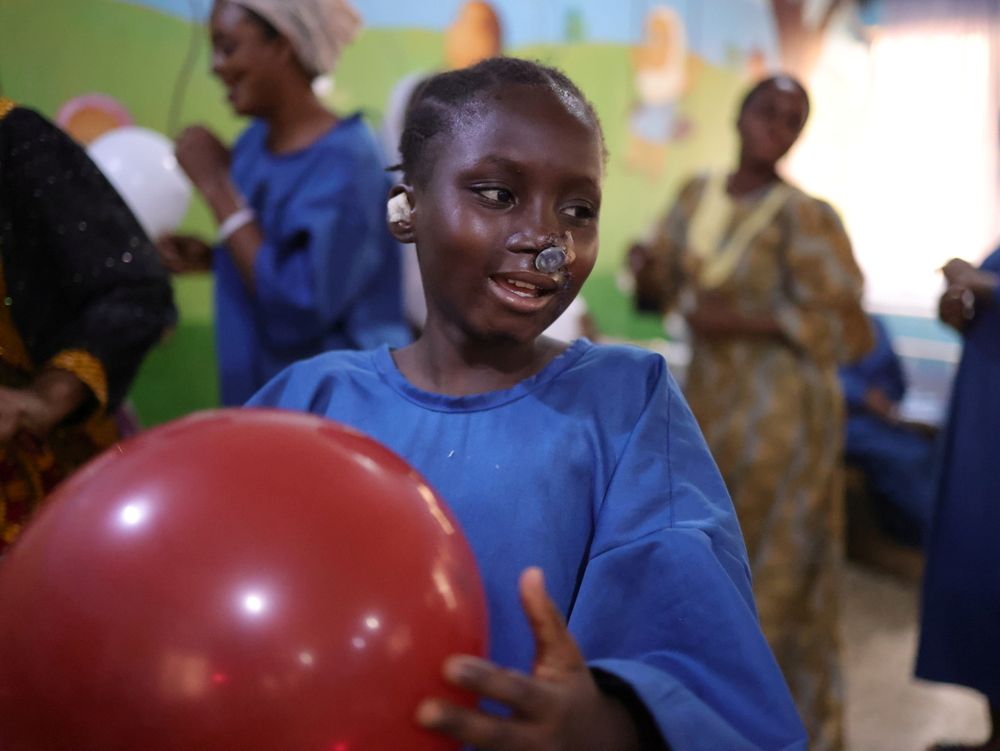
The humanitarian organisation noted that many survivors arrive at treatment centres after years of living with severe facial deformities that make eating, speaking and breathing extremely difficult.
Beyond the physical challenges, it said survivors often endure psychological trauma, social stigma, exclusion from education and employment opportunities, as well as significant financial hardship for their families.
The organisation described noma as a reflection of deeper weaknesses within Nigeria’s primary healthcare system.
“Noma represents an indicator of systemic gaps in primary healthcare, closely associated with malnutrition, low immunisation coverage, recurrent infections, inadequate oral hygiene and limited access to health services”, it said.
MSF expressed concern that awareness of the disease remains extremely low among healthcare workers, resulting in frequent misdiagnosis and delayed referrals.
According to the organisation, many patients visit several health facilities, including referral hospitals, before receiving the correct diagnosis, by which time the disease has often advanced beyond the stage where simple treatment could save lives.
The organisation therefore called for urgent integration of noma prevention, early detection, treatment and surveillance into Nigeria’s primary healthcare and child health programmes.
It urged authorities to strengthen the capacity of frontline health workers, incorporate noma into routine disease surveillance systems, establish effective referral pathways, ensure consistent availability of essential medicines and nutritional support, and intensify public awareness campaigns, especially in vulnerable communities.
“Health workers and communities need better awareness of the disease so children can receive treatment before complications become severe. No child should suffer or die from a disease that can be prevented and treated,” it stated.







Leave a comment