






By Ali Abare
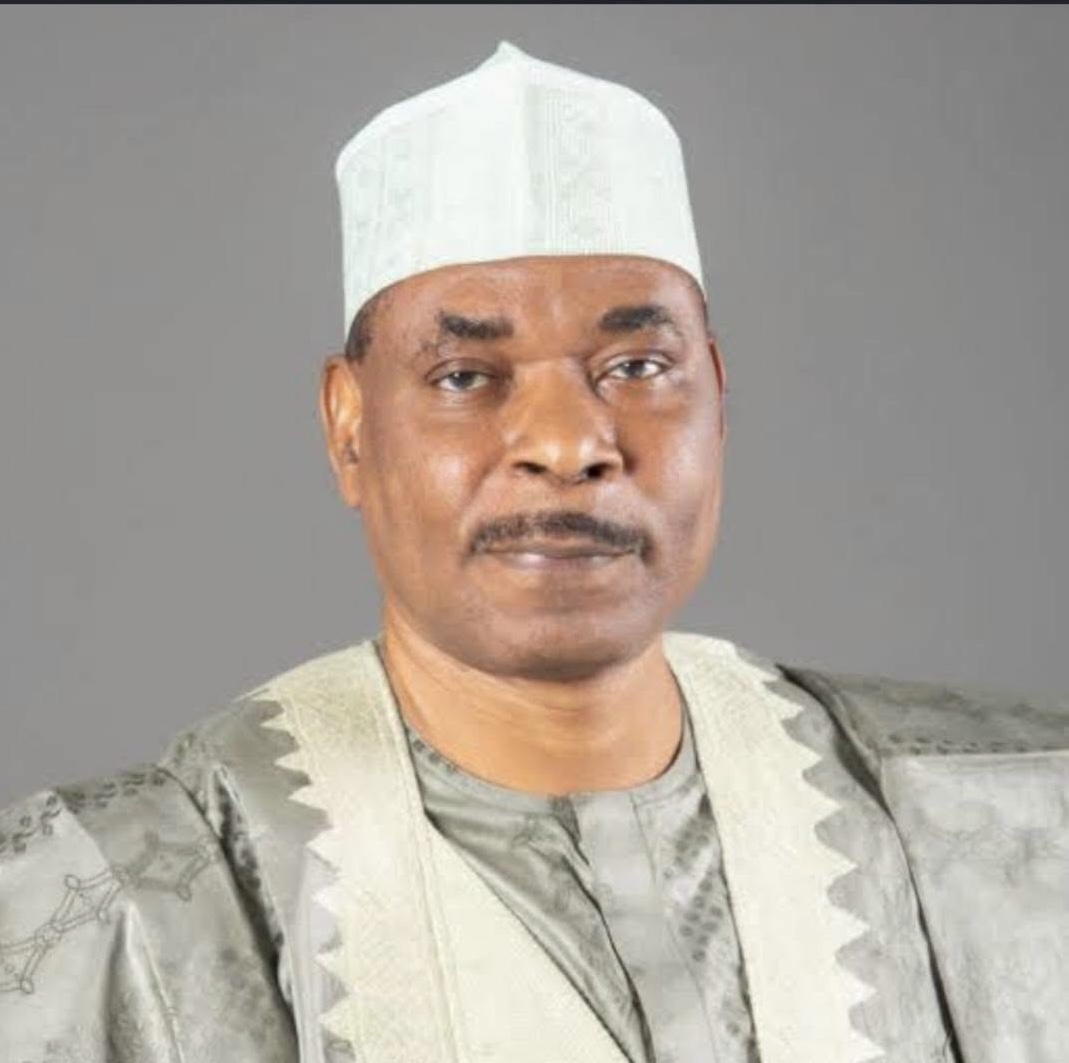
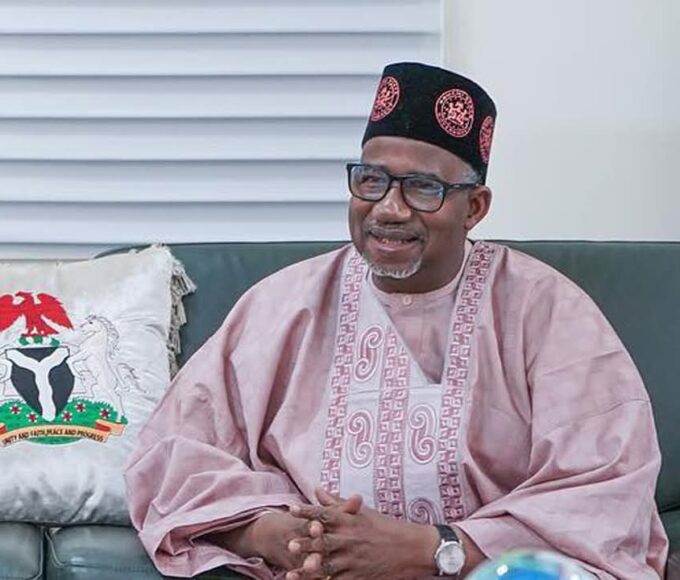
The Constitution of the Federal Republic of Nigeria guarantees every citizen the right to contest election into the office of Governor of Nasarawa State, talk less of a prominent citizen like retired Inspector General of Police, Mohammed Adamu, who served the nation at one point in time.
Adamu has every right to seek to govern Nasarawa State, and he is eminently qualified to do so. What is not adding up, however, is the manner in which he is going about his governorship aspiration.
Being his first outing in partisan politics, it is high time Adamu paused to reconsider his political trajectory. Having lost the APC governorship primary on May 21, 2026, after months of hype about his acclaimed proximity to power in Abuja, the retired police boss resigned from the ruling party, citing what he called the disgraceful conduct of the exercise.
He soon registered online with the Social Democratic Party, and his campaign organisation insisted he would fly the SDP flag in 2027.
That claim has now been overtaken by events. The Independent National Electoral Commission’s newly released list of governorship candidates for Nasarawa State confirms Adamu’s predicament in the starkest terms.
The list carries seven names: Ahmed Aliyu Wadada of the APC, Musa Adamu Angbazo of the SDP, Dahiru Musa Doma of the Action People’s Party, Jonathan Gaza Gbefwi of the Labour Party, retired Major General Nuhu Angbazo of the ADC, Emmanuel David Ombugadu of the PDP, and Ibrahim Kasimu Aboh of APGA.
Mohammed Adamu’s name is nowhere on it. Even the party he ran to for shelter after his APC exit fielded another man entirely. From every indication, his political journey so far has been so much movement without motion, and now, officially, no motion at all. Right now, retired IGP Adamu is not even in contention.
His handlers, unsurprisingly, are flying another kite: that the former police boss is waiting for a window of substitution by INEC to be placed on the ballot. There is indeed a legal window for this. Section 31 of the Electoral Act 2026 permits political parties to withdraw and substitute candidates up to ninety days before an election, which, with the governorship poll fixed for February 6, 2027, gives parties until roughly early November 2026 to act.
But a legal window is not a guarantee of admission through it. It would require the SDP, having already gone through the trouble of nominating and uploading Musa Adamu Angbazo as its candidate, to reverse itself for a late entrant whose only currency in the party is borrowed hype.
Even if that gamble pays off, it changes nothing about the character of Adamu’s campaign so far, a campaign of rumour and expectation rather than one built on the discipline of party structure.
If this scramble for a substitution slot is indeed the strategy, it confirms the fears of many that Adamu is not driven by an honest desire to serve the people of Nasarawa State but by ego, and is being pushed from behind by those who feel they must get back at the administration of Governor Abdullahi Sule.
The whole enterprise increasingly looks like a political vendetta dressed up as public service, rather than an altruistic bid to govern Nasarawa State. This explains the desperate manoeuvre to appear in control of Lafia, the state capital.
Lafia has been pivotal in deciding governorship elections in Nasarawa State before. In 2011, the PDP under the late Aliyu Doma was leading after results from twelve local government areas had been announced, only for Lafia’s results to overturn the trend, handing Senator Umaru Tanko Al-Makura of the then CPC victory by a margin of a little over 3,000 votes.
In 2023, Chiroma Ward in Lafia was the decider between incumbent Governor Abdullahi Sule of the APC and Hon. David Ombugadu of the PDP. Anyone who controls Lafia, or is seen to, therefore holds a psychological advantage.
The trouble with the narrative being pushed by Adamu’s camp is that the APC state chairman, Dr. Aliyu Bello, is himself from Lafia. Through the Aliyu Bello Foundation, he has built a network of followership in the city over the years, to the point that any opposition claim of total control over Lafia is, at best, dishonest.
The Zarma Babba of Lafia remains a political force in his own right and a philanthropist who has spent decades impacting lives in the city. The Waziri of Lafia, former Secretary to the State Government and Ambassador-designate to Argentina, Mohammed Ubandoma Aliyu, is another strong political ally who makes total control of Lafia by the Adamu camp an impossibility. The bubble the opposition camp is inflating around Lafia would burst on election day.
None of this means Adamu’s posturing should be taken for granted. His wife has reportedly been traversing the nooks and crannies of the state selling his candidature, in the hope that he eventually finds his way onto the ballot.
Rumours abound that a less visible opposition party’s officially recognised candidate may soon cash out once INEC gives the green light for substitutions. For someone like Adamu, barely cutting his teeth in politics, this would amount to a costly gamble, particularly when weighed against seasoned, more grounded politicians already on the ballot. Senator Ahmed Wadada Aliyu of the APC, Hon. Emmanuel David Ombugadu of the PDP, and Hon. Jonathan Gaza Gbefwi of the Labour Party are far better positioned and remain the real contenders for the Nasarawa governorship.
Realistically, the retired IGP’s effort, absent a successful substitution, amounts to little more than announcing his presence on the political scene, perhaps in preparation for another attempt after Senator Wadada, should he win in 2027, completes two terms in office. Given Nigeria’s tenure structure, that would place any renewed Adamu ambition close to a decade away.
That said, the APC cannot afford to read Adamu’s current setback as a closed matter. A former Inspector General of Police, whatever the state of his ballot status, retains name recognition and residual sympathy that opposition parties will continue to exploit between now and February 2027.
The defection of lawmakers and local structures sympathetic to Adamu, including sitting members of the State House of Assembly, is a warning that internal wounds from the primary have not fully healed. The party must move beyond celebrating INEC’s list and begin the deliberate work of reconciliation, reaching out to aggrieved aspirants, ward and local government structures who feel bruised by the primary, and closing every gap that opposition parties could exploit through defection or last-minute alliances.
Nothing should be taken for granted. Victory on paper, in the shape of a favourable candidate list, is not victory at the polls, and the APC’s task between now and February 2027 is to consolidate its grip on power in Nasarawa State, not merely to assume it.







Leave a comment